Toxic torts are testing the UK’s appetite for US-style mass litigation
Insurers and policyholders should carefully scrutinise the progress of the group litigation in Fuschillo v Johnson & Johnson
Fears around US style litigation erupting in the UK may be well founded
US TOXIC tort litigation has long been viewed with concern by UK insurers and businesses. With court awards and settlements totalling billions of dollars, the prospect of similar litigation emerging on this side of the Atlantic demands close attention. Recent developments in both the US and UK emphasise the importance of monitoring this evolving area closely.
Broadly speaking, toxic tort litigation involves claims alleging that exposure to a chemical, substance or product has caused serious illness or disease. One example is talcum powder. For more than a decade, alleged asbestos contamination in Johnson & Johnson (J&J) talcum-based products, such as baby powder, has generated a significant number of claims. These claims assert that consistent and longstanding use of the products has caused illnesses such as mesothelioma and other types of cancer in the claimants.
It is widely acknowledged that there is no universal expert consensus in this area and J&J denies the allegations being advanced. A number of claimants in the US have successfully obtained multi-million dollar damages awards. The federal multi-district litigation (MDL) consolidating many of these claims totals more than 68,000 pending actions, with a number of related actions also continuing in state courts. In July 2026, J&J announced a proposed settlement of the ongoing federal MDL and state court proceedings in the sum of $5.5bn, subject to certain conditions and maintaining a firm denial of liability.
Fuschillo litigation
Against this wider backdrop, talcum powder has now generated a significant example of American-style toxic tort litigation in the UK’s High Court. Insurers and policyholders should be carefully scrutinising the progression of the group litigation in Fuschillo v Johnson & Johnson. The action itself is significant, but crucially it is also likely to provide important guidance on the procedural, evidential and causation barriers facing similar claims in England and Wales.
US judgments or settlements do not prove that comparable claims would succeed or get traction in England and Wales. The US itself is largely regarded as a claimant-friendly jurisdiction, yet recent decisions within the MDL have questioned whether claimants can prove that alleged talc exposure caused their ovarian cancer. Fuschillo will need to address similar issues, as claimants look to navigate procedural and causation barriers.
Early case management decisions in Fuschillo have highlighted the procedural barriers that occur when pursuing these types of claims in England and Wales. The High Court made a group litigation order (GLO) setting out a series of standard minimum requirements (SMRs) that the claimants must satisfy to be added to the group register.
The SMRs effectively limit entry to the group register to those who meet the standardised criteria. During a recent case management hearing, it was acknowledged that the SMRs would mean that a significant number of the original cohort of claimants would need to discontinue their claim within the GLO, possibly pursuing them at a later date. A smaller number elected to discontinue their proceedings and pursue their claims in Scotland.
For those claims meeting the SMRs, there will be a preliminary trial focusing not just on key liability issues around the constitution of the talcum powder, including the presence of alleged contaminants, but also generic causation. The court will consider whether any constituent parts or alleged contaminants in the talcum powder were capable of causing ovarian cancer and/or mesothelioma, and if so, the exposure level required.
Causation challenge
This decision reinforces the long-held view that toxic tort claims face a difficult route outside the US. Causation will be a key hurdle.
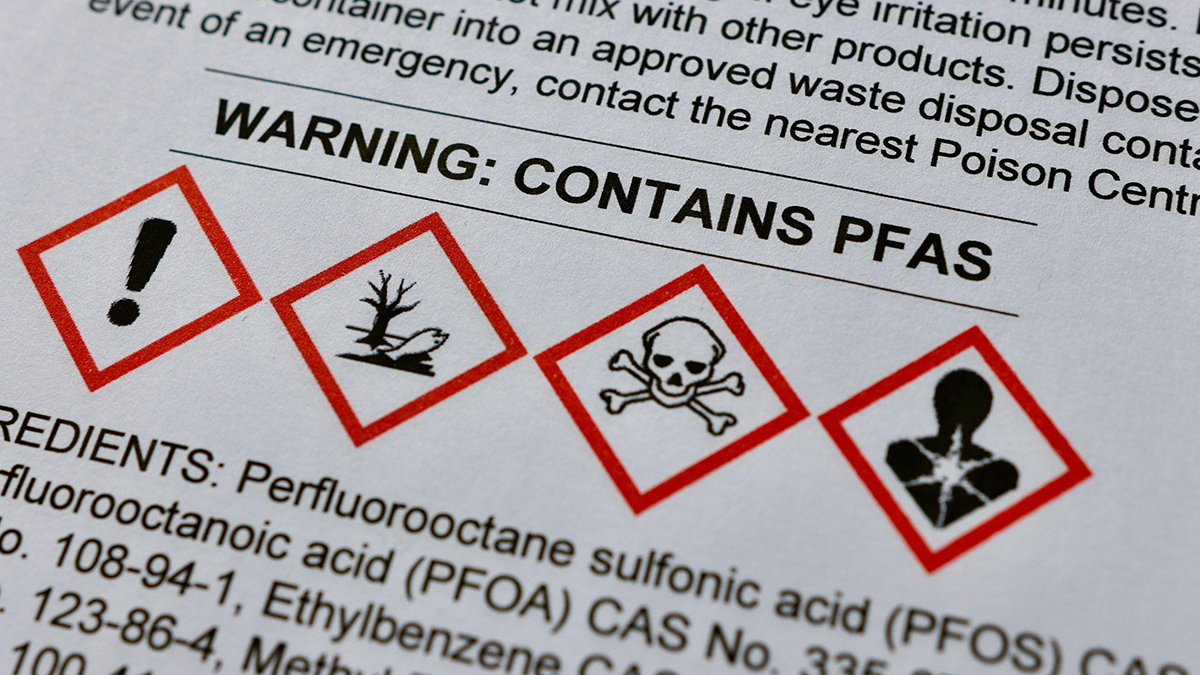
Causation will be central not only to this litigation but also to any potential toxic tort claims in the future involving substances such as glyphosate and PFAS. Mrs Justice Hill made clear that if either or both of the two questions raised at the preliminary trial are answered in favour of J&J, then this is likely to be fatal to the claims. Questions of liability including defendant knowledge and alleged breach will be considered later. In the absence of a scientific consensus, generic causation is the first yet arguably one of the most significant hurdles confronting toxic tort claims in England and Wales.
Of course, to have any prospects of success, claimants still need to demonstrate specific causation, namely whether their exposure caused the alleged illness. Detailed expert evidence addressing dose, frequency, duration and alternative explanations for the illness will be required.
There also remains the question of whether English courts are willing to adapt traditional causation principles to address toxic tort actions such as this. There is a clear argument that exceptional causation principles, such as those developed in Fairchild, should remain limited and not extended to product liability or ovarian cancer claims such as this. Nonetheless, Fuschillo may provide guidance on whether English courts are prepared to broaden causation doctrines in limited circumstances.
Beyond the procedural and evidential implications, insurers will be mindful that long-latency claims of this nature also raise important questions of policy coverage. That point is illustrated by a recent High Court action brought by several liability insurers seeking a declaration on coverage issues arising from US litigation concerning Paraquat, a herbicide alleged to be linked to Parkinson’s disease or kidney disease. If toxic tort litigation gains traction in the UK, similar coverage issues are likely to attract closer scrutiny.
In the event that the claims in the Fuschillo group litigation are successful, the financial dynamics are materially different from those seen in the US. There is currently no prospect of a successful UK action producing US-style “nuclear verdicts” or substantial punitive damages. These are not features of the legal systems in England, Wales or Scotland. So, what may be the wider significance of this action?
The talcum powder litigation is very much at the vanguard of US-inspired risks in the UK. Other US mass torts may be the subject of future litigation in the UK. The representatives for the claimants in Fuschillo have announced their intention to pursue a product liability claim relating to the supply of defective ear protection equipment to the UK military; multidistrict litigation in the US pursued on similar grounds involved nearly 250,000 claims and settled for $6bn. Those same representatives have announced possible claims relating to social media addiction and have recently taken conduct of the concussion litigation across both codes of rugby. There is clearly a growing appetite for various types of collective actions in the UK.
Beyond those possible claims, the Law Commission commenced a consultation on the introduction of a consumer class actions regime earlier this year, aimed at improving consumer access to redress and promoting the efficient conduct of litigation. The introduction of such a regime is only likely to further pique the interest of claimants and their representatives. For insurers and businesses, Fuschillo may prove to be a significant test case for toxic torts in England and Wales, shaping how similar actions are pursued and defended, at the forefront of an influx of US-style class actions.
Mark Kendall is a partner, and Stephen Turner is legal director, at DAC Beachcroft