Reinsurance buyers need to ‘broaden their toolkit’
‘Now is the time to plan, to build in that optionality, to build in flexibility, to think about what might happen in future’

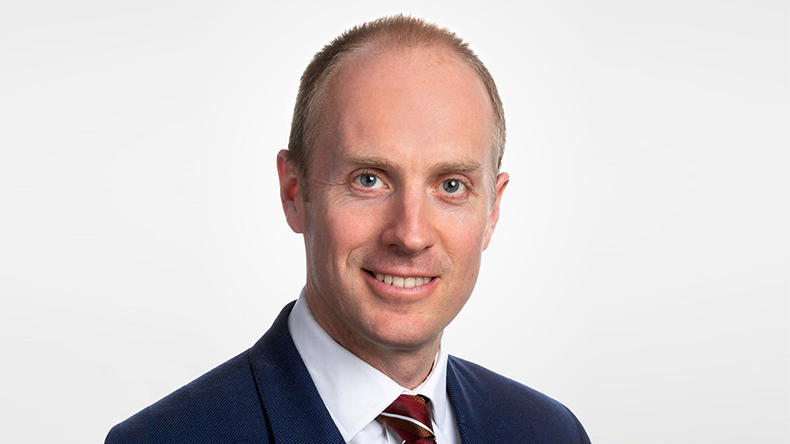
The abundance of capacity created a buyers’ market that insurers should capitalise on, Howden Re’s David Flandro tells the Insurance Day podcast
CEDENTS need to take advantage of current market conditions to “broaden their reinsurance toolkit”, the top analyst at Howden Re has said.
Speaking to the Insurance Day podcast, David Flandro, head of industry analysis and strategic advisory at the broker, said the abundance of capacity created a buyers’ market that insurers should capitalise on to rebalance retentions, manage accumulation and optimise their cost of capital.
“It’s the time to broaden the toolkit, if you will, if you’re a buyer, because the market capacity is relatively abundant compared to where it’s been in recent years,” he said.
“Things still look good, but the world is very risky,” he added, specifically referencing the ongoing geopolitical instability, the conflicts in Ukraine and the Middle East, the related volatility of oil prices and the ongoing volatility around interest rates.
“[The risk landscape] does feel unwieldy, and the received wisdom is always right until it’s wrong. So now is the time to plan, to build in that optionality, to build in flexibility, to think about what might happen in future.”
Reinsurers also needed to “look across the entire capital structure” to manage the softening part of the cycle, Flandro said. “The key for reinsurers right now is disciplined capital deployment and preserving capital flexibility as a form of resilience.”
He continued: “You need to look at collateralised limit, ILWs, cat bonds, third-party quota shares, everything that’s available in the reinsurer outwards toolkit needs to be deployed right now.”
Despite narrowing reinsurance margins, Flandro said excess capacity and pricing would continue to drive discussions in Monte Carlo this year.
It would take a confluence of large shocks for the reinsurance market to harden again, including a large natural catastrophe loss of around $200bn, a significant casualty reserve strengthening and a sharp increase in interest rates, he said.
“The takeaway for me is that it would take quite a lot to turn the market at this point in the cycle,” Flandro said. “That said, remember we’re in a very risky world where things seem to be able to go sideways pretty quickly, so we can’t just assume a steady state. We have to plan for contingencies.”
Reinsurance as a form of capital competes directly with equity and debt, Flandro explained, meaning that as the cost of the latter two continue to increase, the cost of reinsurance tends to come down.
This, combined with multiple years of strong reinsurer returns as catastrophe exposures reduced, is part of the reason why reinsurance markets are still softening despite the generally high levels of risk seen globally.
“That’s the great paradox of the world that we’re in right now, especially in the reinsurance market,” said Flandro.